Have you ever met someone who doesn’t speak much but somehow makes you feel completely understood?
The kind of person whose presence is calm, whose words are thoughtful, and whose care shows more in actions than in loud expressions?
Many people searching for the SINK acronym are trying to name that exact emotional energy—a quiet, reflective, and nurturing personality style that often goes unnoticed.
In a world that celebrates boldness and constant expression, traits like introversion, emotional sensitivity, and quiet strength can feel hard to describe.
That’s where personality acronyms like SINK come in. They help simplify complex emotional patterns into something relatable, memorable, and useful for self-awareness, relationships, writing, or character development.
The SINK acronym is often explored out of curiosity, self-reflection, or emotional intelligence growth.
People want language for softness without weakness, for kindness without noise.
By understanding this acronym—and its alternatives—you can better communicate emotional nuance, recognize nurturing personalities, and appreciate reserved but deeply caring individuals.
What Does the SINK Acronym Mean? (Definition and Explanation)
SINK = Sensitive, Introverted, Nurturing, Kind
The SINK acronym represents a personality type defined by emotional depth and quiet compassion rather than outward dominance or loud confidence.
- Sensitive: Emotionally aware, easily attuned to others’ feelings
- Introverted: Draws energy from solitude and deep one-on-one connections
- Nurturing: Expresses care through support, presence, and reliability
- Kind: Naturally gentle, considerate, and empathetic in behavior
This acronym is often used to describe people with high emotional intelligence, a soft-spoken nature, and a strong internal moral compass. SINK personalities may not lead the conversation, but they lead with heart.
Contextual Example:
In group settings, a SINK-type person might listen quietly, then offer one thoughtful sentence that changes the emotional tone of the room.
Example Sentence:
His SINK personality made him the one everyone trusted during difficult moments.
30 SINK Acronym Alternatives for Emotional and Personality Nuance
Below are 30 carefully crafted acronym alternatives to the SINK acronym. Each captures a slightly different emotional or behavioral shade, helping you choose the most accurate fit.
1. REN – Reserved, Empathic, Nurturing
- Meaning: Quiet yet emotionally warm.
- When to Use: For people who show care through presence, not words.
- Example: Her REN demeanor made conversations feel safe.
2. CALM – Caring, Attentive, Low-key, Mindful
- Meaning: Peaceful and emotionally grounded.
- When to Use: In wellness or emotional balance contexts.
- Example: His CALM nature helped reduce tension.
3. SOFT – Supportive, Observant, Feeling, Thoughtful
- Meaning: Gentle emotional intelligence.
- When to Use: For nurturing personalities.
- Example: She has a SOFT way of understanding people.
4. KIND – Keen, Intuitive, Nurturing, Dependable
- Meaning: Reliable emotional support.
- When to Use: Close relationships or family roles.
- Example: He’s KIND in ways that really matter.
5. HEART – Humble, Empathic, Attentive, Reflective, Tender
- Meaning: Emotion-first personality.
- When to Use: Emotional storytelling or character writing.
- Example: Her HEART approach healed friendships.
6. WISE – Warm, Introspective, Supportive, Empathic
- Meaning: Quiet wisdom and care.
- When to Use: Mentors or trusted advisors.
- Example: His WISE words stayed with me.
7. MILD – Mindful, Introverted, Loving, Deep
- Meaning: Calm but emotionally intense.
- When to Use: For reflective personalities.
- Example: She has a MILD strength people overlook.
8. CARE – Compassionate, Attentive, Reserved, Empathic
- Meaning: Emotionally giving without being loud.
- When to Use: Support roles or friendships.
- Example: His CARE nature made him dependable.
9. SOUL – Sensitive, Observant, Understanding, Loyal
- Meaning: Deep emotional bonds.
- When to Use: Romantic or close personal contexts.
- Example: She’s a SOUL you don’t forget.
10. NEST – Nurturing, Empathic, Steady, Thoughtful
- Meaning: Creates emotional safety.
- When to Use: Family or home-centered personalities.
- Example: His presence felt like a NEST.
11. GENT – Gentle, Empathic, Nurturing, Thoughtful
- Meaning: Soft-spoken kindness.
- When to Use: Describing calm personalities.
- Example: Her GENT tone eased anxiety.
12. TRUE – Thoughtful, Reserved, Understanding, Empathic
- Meaning: Honest emotional depth.
- When to Use: Trust-based relationships.
- Example: He’s TRUE in how he listens.
13. EMBR – Empathic, Mindful, Balanced, Reserved
- Meaning: Emotionally steady.
- When to Use: Emotional intelligence discussions.
- Example: Her EMBR personality grounded the team.
14. HUSH – Humble, Understanding, Sensitive, Heartfelt
- Meaning: Quiet emotional presence.
- When to Use: Poetic or reflective writing.
- Example: He has a HUSH kind of care.
15. SOAR – Sensitive, Observant, Attuned, Reserved
- Meaning: Emotionally perceptive introvert.
- When to Use: Creative or introspective people.
- Example: Her SOAR nature notices details.
16. TEND – Thoughtful, Empathic, Nurturing, Deep
- Meaning: Actively caring.
- When to Use: Caregiver roles.
- Example: He TENDs to others naturally.
17. QUIET – Quality-focused, Understanding, Intuitive, Empathic, Tender
- Meaning: Depth over volume.
- When to Use: Introverted strength narratives.
- Example: Her QUIET confidence stood out.
18. EASE – Empathic, Attentive, Soft, Even-tempered
- Meaning: Calming emotional energy.
- When to Use: Stress-relief or wellness contexts.
- Example: He spoke with EASE.
19. BOND – Balanced, Observant, Nurturing, Devoted
- Meaning: Emotionally loyal.
- When to Use: Long-term relationships.
- Example: Their BOND was built on trust.
20. WARM – Welcoming, Attuned, Reflective, Mindful
- Meaning: Emotional accessibility.
- When to Use: Community or friendship.
- Example: Her WARM smile reassured everyone.
21. SOULF – Sensitive, Open-hearted, Understanding, Low-key, Firm
- Meaning: Gentle but principled.
- When to Use: Moral strength contexts.
- Example: He’s SOULF in tough moments.
22. CARE+ – Compassionate, Attuned, Reserved, Empathic
- Meaning: Enhanced emotional support.
- When to Use: Counseling or guidance roles.
- Example: She brings CARE+ energy.
23. ROOT – Reflective, Observant, Open, Tender
- Meaning: Emotionally grounded.
- When to Use: Stability-focused personalities.
- Example: His ROOT nature steadied the team.
24. HOLD – Heart-led, Observant, Loyal, Deep
- Meaning: Emotional reliability.
- When to Use: Trust-based roles.
- Example: She HOLDs space for others.
25. SAFE – Supportive, Attentive, Feeling, Empathic
- Meaning: Emotional security.
- When to Use: Relationship dynamics.
- Example: Talking to him feels SAFE.
26. EMPATH – Emotionally-aware, Mindful, Patient, Thoughtful
- Meaning: High emotional intelligence.
- When to Use: Psychology or self-growth contexts.
- Example: Her EMPATH traits shine.
27. MEND – Mindful, Empathic, Nurturing, Devoted
- Meaning: Healing personality.
- When to Use: Support or recovery situations.
- Example: He helps MEND emotional wounds.
28. LISTEN – Loving, Intuitive, Sensitive, Thoughtful, Empathic, Nurturing
- Meaning: Emotion-first communicator.
- When to Use: Communication styles.
- Example: She LISTENs beyond words.
29. ANCHOR – Attentive, Nurturing, Calm, Honest, Observant, Reserved
- Meaning: Emotional stability.
- When to Use: Leadership through calmness.
- Example: He’s the team’s ANCHOR.
30. SINK+ – Sensitive, Introverted, Nurturing, Kind, Self-aware
- Meaning: A refined SINK personality.
- When to Use: Personal growth contexts.
- Example: Her SINK+ traits reflect maturity.
How to Choose the Right Acronym for Your Needs
Choosing the right acronym—whether SINK or an alternative—depends on context and emotional intent. Ask yourself:
- Is this for self-description, writing, or relationships?
- Does the personality lean more toward quiet strength, nurturing warmth, or emotional intelligence?
- Are you describing how someone feels, acts, or supports others?
For emotionally rich but reserved individuals, SINK or REN works well. For calming energy, CALM or EASE fits better. Writers and creators may prefer SOUL, HEART, or ANCHOR for character depth.
The goal is clarity, not labels—use acronyms to understand, not confine, personality.
Conclusion:
The SINK acronym gives language to a type of personality the world often overlooks—one defined by sensitivity, quiet kindness, and nurturing strength.
Naming these traits helps validate emotional depth and encourages self-awareness, healthier relationships, and richer storytelling.
Whether you use SINK to describe yourself, understand someone you love, or build a meaningful character, these acronyms remind us that softness is not weakness.
In fact, quiet, reflective personalities often carry the strongest emotional foundations.
By embracing terms that reflect emotional intelligence, gentle resilience, and nurturing presence, we make space for more balanced and compassionate communication—both with others and within ourselves.
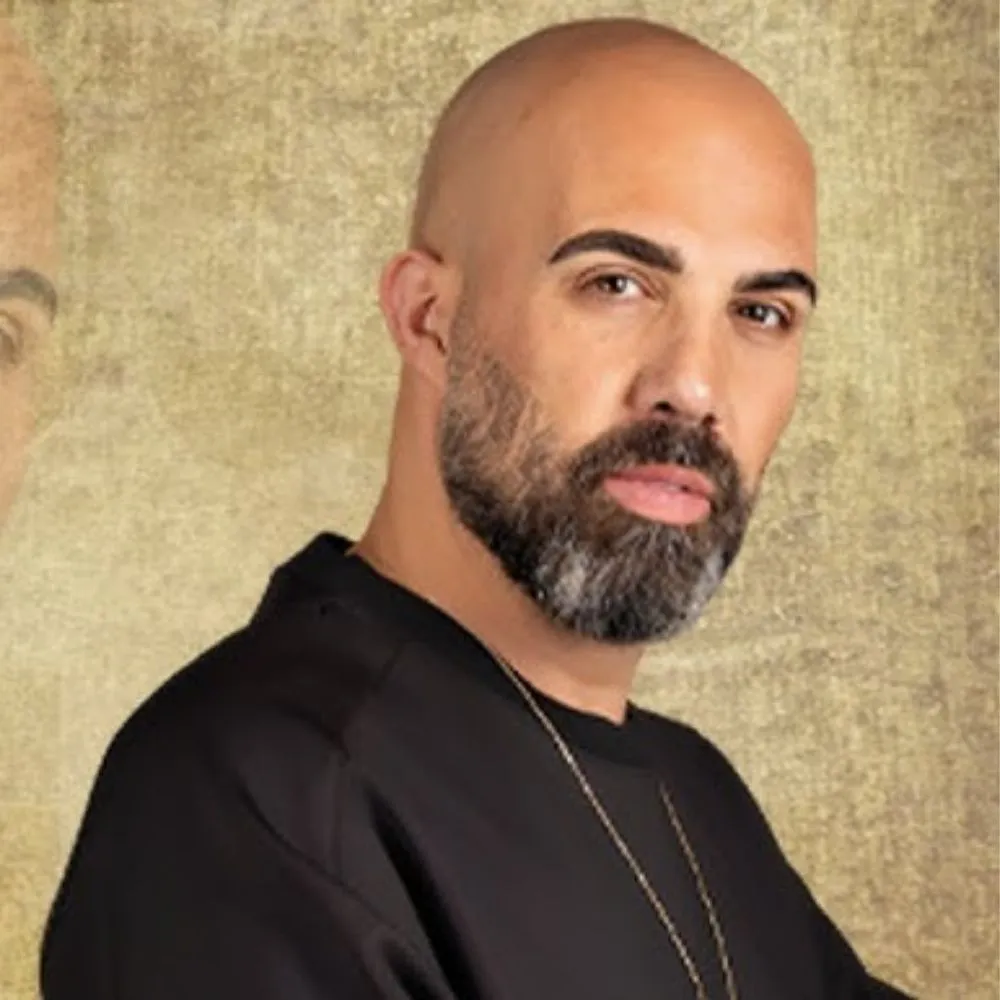
Jhony Osta is a contemporary Lebanese pop singer known for performing at live music venues and events, particularly within the Lebanese diaspora in Canada. His music falls under the Pop genre.He released the single and music video “Bala Matroud” in 2023.You can follow his updates and music on social media platforms like Instagram and Facebook.