Have you ever met someone whose personality feels like a spectrum of colors—bright, caring, and complex—and wondered if there was a simple way to describe them? That’s where the rainbow acronym comes in.
People often search for this term because they want a concise, memorable way to capture emotional traits, personality styles, or behaviors.
Whether you’re exploring self-awareness, understanding a loved one, or creating nuanced characters for writing, acronyms like RAINBOW can be a powerful tool.
The rainbow acronym represents more than just letters; it embodies a personality spectrum, showcasing qualities like resilience, empathy, optimism, and balance. Using acronyms to describe traits is becoming increasingly popular in psychology, coaching, and personal development, because it simplifies complex emotions and behaviors into something tangible and actionable.
If you’ve ever wanted to label a combination of traits or understand emotional nuances in yourself or others, the rainbow acronym offers a colorful, meaningful framework.
What Does the Rainbow Acronym Stand For?
The RAINBOW acronym breaks down as follows:
- R – Resilient: Strong and adaptable in the face of challenges.
- A – Authentic: Genuine, honest, and true to oneself.
- I – Inspiring: Motivates others through actions or words.
- N – Nurturing: Caring, empathetic, and supportive.
- B – Balanced: Harmonious, maintaining emotional and mental stability.
- O – Optimistic: Positive outlook even in difficult situations.
- W – Wise: Thoughtful, insightful, and reflective.
Example in real life:
Her RAINBOW personality made everyone around her feel safe and inspired—resilient in crises, nurturing to friends, and always offering a wise perspective.
By using this acronym, you can quickly communicate complex personality traits, making it a useful tool for personal development, coaching, and relationship building.
30 Rainbow Acronym Alternatives
Here’s a list of 30 creative alternatives that reflect nuanced emotional and personality traits. Each comes with practical usage examples.
1. REN – Reserved, Empathic, Nurturing
- Meaning: Quiet but deeply caring.
- When to Use: For someone who expresses love through warmth, not words.
- Example: Her REN demeanor always put people at ease.
2. SOL – Supportive, Observant, Loyal
- Meaning: Steadfast and attentive to others’ needs.
- When to Use: For a friend or partner who quietly offers support.
- Example: He was the SOL friend everyone leaned on during tough times.
3. LUV – Loving, Understanding, Valued
- Meaning: Expresses deep affection and acceptance.
- When to Use: For a romantic partner or empathetic family member.
- Example: Her LUV approach created a safe and caring environment.
4. GLE – Gentle, Loyal, Encouraging
- Meaning: Soft-spoken but always uplifting.
- When to Use: Teachers, mentors, or kind-hearted colleagues.
- Example: His GLE nature helped students feel confident and supported.
5. PAC – Patient, Adaptable, Calm
- Meaning: Maintains peace and flexibility under pressure.
- When to Use: Crisis situations or high-stress jobs.
- Example: Her PAC personality kept the team grounded during deadlines.
6. AIM – Attentive, Inspiring, Mindful
- Meaning: Focused and thoughtful, inspires through action.
- When to Use: Coaches, leaders, or mindful friends.
- Example: His AIM approach motivated the entire group.
7. JOY – Just, Optimistic, Youthful
- Meaning: Brings lightness and fairness to situations.
- When to Use: For uplifting interactions or social groups.
- Example: Her JOY spirit brightened every room she entered.
8. ARC – Adaptable, Resilient, Compassionate
- Meaning: Strong under pressure but empathetic toward others.
- When to Use: For colleagues facing challenging tasks.
- Example: His ARC nature kept the project on track while supporting the team.
9. SKY – Sensitive, Kind, Youthful
- Meaning: Emotional, caring, and vibrant.
- When to Use: Ideal for creative, empathetic individuals.
- Example: Her SKY personality made her a favorite among peers.
10. ACE – Authentic, Caring, Empathetic
- Meaning: Honest and emotionally supportive.
- When to Use: Friendship or personal mentorship.
- Example: His ACE attitude strengthened everyone’s trust in him.
11. GEM – Gentle, Empathetic, Mindful
- Meaning: Soft-hearted, reflective, and considerate.
- When to Use: For emotionally intelligent individuals.
- Example: She was a GEM, always noticing when someone needed support.
12. LUX – Loving, Understanding, Xenial
- Meaning: Hospitable, warm, and affectionate.
- When to Use: Entertaining guests or relationship-focused roles.
- Example: His LUX personality made visitors feel instantly welcome.
13. WIS – Wise, Insightful, Supportive
- Meaning: Thoughtful and nurturing guidance.
- When to Use: Mentorship or advisory positions.
- Example: Her WIS advice helped him navigate difficult decisions.
14. RAY – Resilient, Affectionate, Youthful
- Meaning: Optimistic energy with care for others.
- When to Use: Teams, friendships, or social gatherings.
- Example: His RAY energy lifted everyone’s spirits.
15. BEE – Balanced, Empathic, Encouraging
- Meaning: Provides harmony and positivity.
- When to Use: Family settings or group projects.
- Example: Her BEE demeanor ensured smooth collaboration.
16. NEO – Nurturing, Empathic, Optimistic
- Meaning: Caring and forward-thinking.
- When to Use: Parents, mentors, or coaches.
- Example: His NEO nature inspired hope and trust.
17. SOLA – Supportive, Observant, Loving, Adaptable
- Meaning: Multifaceted kindness and attention.
- When to Use: Work environments or volunteer settings.
- Example: Her SOLA traits made her indispensable in the community.
18. ACEY – Authentic, Compassionate, Empathetic, Youthful
- Meaning: Genuine warmth with a playful spirit.
- When to Use: Creative teams or mentorship roles.
- Example: His ACEY energy encouraged everyone to express themselves.
19. RIO – Resilient, Inspiring, Observant
- Meaning: Strong yet perceptive and motivating.
- When to Use: Leadership and guidance situations.
- Example: Her RIO personality inspired confidence in the group.
20. LUNA – Loving, Understanding, Nurturing, Adaptable
- Meaning: Harmonious and deeply caring.
- When to Use: Family, counseling, or friendship roles.
- Example: Her LUNA traits created a peaceful home environment.
21. SKY – Sensitive, Kind, Youthful
- Meaning: Emotional depth with an optimistic outlook.
- When to Use: Peer support or creative fields.
- Example: His SKY personality made him approachable and trustworthy.
22. GEM – Gentle, Empathetic, Mindful
- Meaning: Thoughtful, reflective, and nurturing.
- When to Use: Leadership, mentorship, and friendships.
- Example: Her GEM qualities helped resolve team conflicts gracefully.
23. NOVA – Nurturing, Optimistic, Visionary, Adaptable
- Meaning: Inspires growth and resilience.
- When to Use: Creative or leadership settings.
- Example: Her NOVA outlook motivated the team during challenges.
24. RAE – Resilient, Authentic, Empathetic
- Meaning: Combines strength with genuine care.
- When to Use: Personal growth or mentoring.
- Example: His RAE personality made him reliable and trusted.
25. JOYA – Joyful, Optimistic, Youthful, Affectionate
- Meaning: Spreads happiness and positivity.
- When to Use: Social environments or family gatherings.
- Example: Her JOYA spirit lit up every occasion.
26. LUXE – Loving, Understanding, eXpressive, Empathetic
- Meaning: Open and communicative affection.
- When to Use: Emotional intelligence exercises or writing.
- Example: His LUXE personality made conversations feel meaningful.
27. ARC – Attentive, Resilient, Compassionate
- Meaning: Strong support in tough situations.
- When to Use: Crisis management or coaching.
- Example: Her ARC behavior calmed everyone during the emergency.
28. AURA – Attentive, Understanding, Reflective, Affectionate
- Meaning: Warm and perceptive personality.
- When to Use: Counseling or empathetic roles.
- Example: Her AURA presence made everyone feel valued.
29. BEA – Balanced, Empathetic, Authentic
- Meaning: Harmonious and trustworthy.
- When to Use: Friendships or team-building.
- Example: His BEA traits ensured smooth collaboration.
30. VIV – Vibrant, Inspiring, Visionary
- Meaning: Energetic and forward-thinking.
- When to Use: Creative projects or leadership.
- Example: Her VIV personality motivated everyone to think bigger.
How to Choose the Right Acronym
Selecting the right acronym depends on emotional tone, personality traits, and context. Consider these tips:
- Identify dominant traits: Are they nurturing, resilient, or inspiring?
- Match personality to context: Choose acronyms for friendship, professional roles, or self-reflection.
- Balance emotional nuance: Combine traits that highlight quiet strength, empathy, and optimism.
- Use in communication: Acronyms can help describe people concisely in writing, coaching, or personal reflection.
- Consider LSI keywords: Terms like emotional intelligence, nurturing personality, and quiet strength can guide your selection.
Conclusion: Embrace the Power of the Rainbow Acronym
Understanding and naming emotional nuance helps us connect, empathize, and reflect. The rainbow acronym and its alternatives offer a simple way to capture the complexity of human personality—whether for self-awareness, relationships, writing, or leadership. Recognizing traits like resilience, empathy, and optimism allows us to value quiet strength, nurturing energy, and thoughtful wisdom. By using acronyms, we celebrate the spectrum of human emotion and personality, making every interaction richer, more meaningful, and colorful.
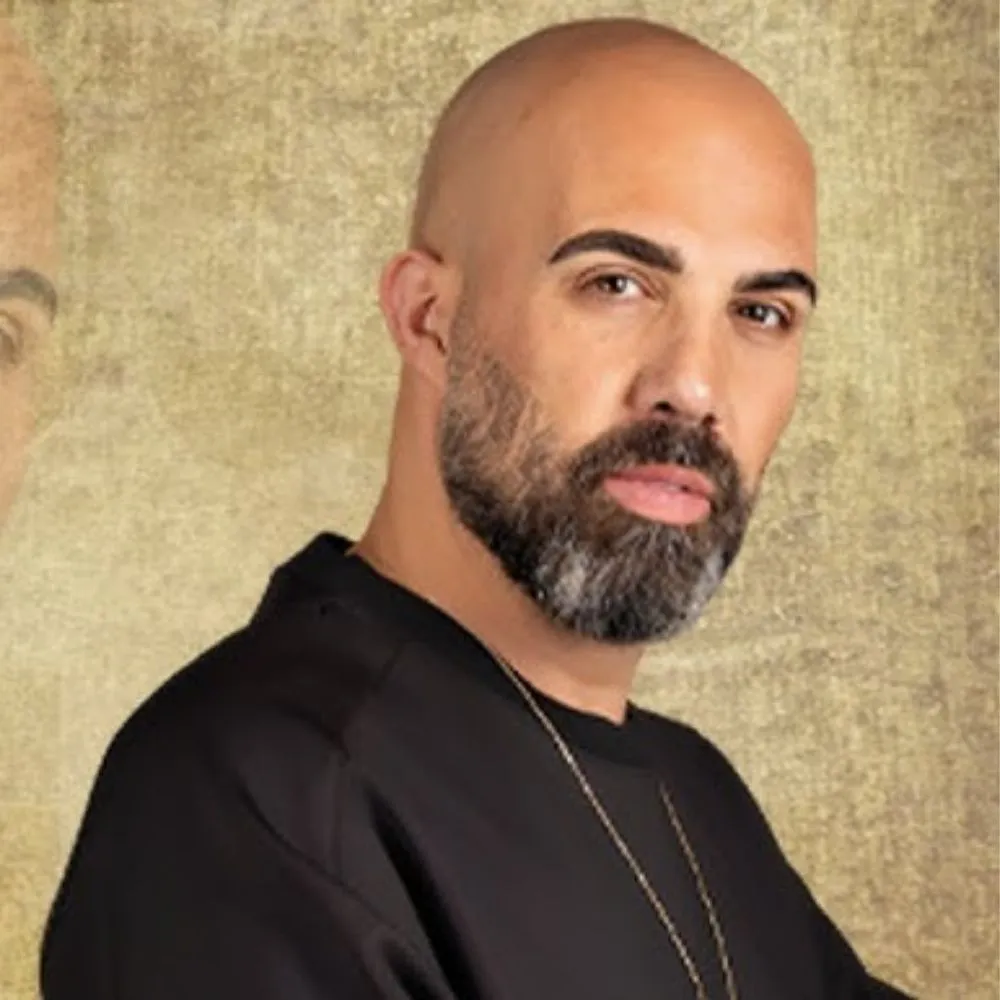
Jhony Osta is a contemporary Lebanese pop singer known for performing at live music venues and events, particularly within the Lebanese diaspora in Canada. His music falls under the Pop genre.He released the single and music video “Bala Matroud” in 2023.You can follow his updates and music on social media platforms like Instagram and Facebook.