Imagine meeting someone who never rushes you, truly listens when you speak, and shows up consistently—emotionally and practically.
They may not be loud, flashy, or overly expressive, yet their presence feels calming and reliable.
Many people search for the PAID-E acronym because they’re trying to name that exact kind of personality: quiet but strong, emotionally intelligent, and deeply dependable.
In a world obsessed with bold traits and loud confidence, traits like patience, empathy, emotional awareness, and quiet strength often go unnamed—even though they matter most in relationships, leadership, and self-growth.
That’s where personality-based acronyms like PAID-E come in. They give language to subtle emotional styles and nurturing behaviors that are easy to feel but hard to describe.
Whether you’re a writer building characters, someone exploring self-awareness, or simply curious about emotional personality traits, understanding the PAID-E acronym helps clarify emotional nuance.
Closely related ideas include nurturing personality, emotional intelligence, reserved temperament, and dependable character traits—all woven naturally into what PAID-E represents.
What Does the PAID-E Acronym Mean?
PAID-E Defined
The PAID-E acronym represents a calm, emotionally grounded personality style:
- P – Patient: Able to tolerate delays, emotions, and uncertainty without frustration
- A – Attentive: Listens deeply and notices unspoken needs
- I – Introspective: Reflective, thoughtful, and self-aware
- D – Dependable: Consistent, trustworthy, and reliable
- E – Empathic: Understands and shares the feelings of others
Personality & Emotional Style
Someone with a PAID-E personality tends to express care through actions rather than words. They embody quiet confidence, emotional maturity, and a nurturing presence. This acronym aligns strongly with emotional intelligence, secure attachment, and supportive communication styles.
Example in Real Life
His PAID-E nature made him the person everyone turned to during stressful moments.
In conversations, relationships, or teamwork, PAID-E individuals stabilize environments without demanding attention—an often undervalued but powerful trait.
30 PAID-E Acronym Alternatives (With Meanings & Examples)
Below are 30 alternative acronyms that capture similar emotional or personality nuances. Each offers a slightly different shade of quiet strength, empathy, or reflective character.
- CALM – Caring, Attentive, Level-headed, Mindful
- When to Use: For emotionally steady people
- Example: Her CALM approach diffused tension instantly.
- SOFT – Supportive, Observant, Feeling, Thoughtful
- When to Use: For gentle, nurturing personalities
- Example: He has a SOFT presence that comforts others.
- KIND – Knowledgeable, Intuitive, Nurturing, Dependable
- When to Use: For emotionally intelligent helpers
- Example: Her KIND leadership built trust quickly.
- WISE – Warm, Insightful, Supportive, Empathic
- When to Use: For mentors or counselors
- Example: His WISE advice always resonated.
- CARE – Compassionate, Aware, Reliable, Emotion-smart
- When to Use: For relationship-centered roles
- Example: She leads with CARE in every interaction.
- REAL – Reflective, Empathic, Attentive, Loyal
- When to Use: For authentic personalities
- Example: His REAL nature builds deep bonds.
- GENT – Grounded, Empathic, Nurturing, Thoughtful
- When to Use: For calm supporters
- Example: Her GENT approach eased everyone.
- TRUE – Trustworthy, Reflective, Understanding, Empathic
- When to Use: For emotionally safe people
- Example: He’s a TRUE friend.
- SAFE – Supportive, Aware, Fair, Empathic
- When to Use: For people who create emotional safety
- Example: Being around her feels SAFE.
- SOUL – Sensitive, Observant, Understanding, Loyal
- When to Use: For deep-feeling individuals
- Example: His SOUL nature shows in silence.
- ANCHOR – Attentive, Nurturing, Calm, Honest, Observant, Reliable
- When to Use: For stabilizing personalities
- Example: She’s the team’s ANCHOR.
- REST – Reliable, Empathic, Steady, Thoughtful
- When to Use: For calming presences
- Example: Talking to him feels like REST.
- MILD – Mindful, Introspective, Loyal, Dependable
- When to Use: For soft-spoken personalities
- Example: Her MILD demeanor is reassuring.
- OPEN – Observant, Patient, Empathic, Nurturing
- When to Use: For emotionally available people
- Example: He’s always OPEN to listen.
- DEEP – Dependable, Empathic, Emotionally aware, Patient
- When to Use: For reflective individuals
- Example: She has a DEEP emotional core.
- STAY – Supportive, Thoughtful, Aware, Yielding
- When to Use: For loyal companions
- Example: He’ll STAY when others leave.
- HEART – Honest, Empathic, Attentive, Reliable, Thoughtful
- When to Use: For emotionally expressive supporters
- Example: Her HEART shows in action.
- SOOTHE – Supportive, Observant, Open, Thoughtful, Helpful, Empathic
- When to Use: For caregivers
- Example: His presence can SOOTHE anyone.
- LIGHT – Loyal, Intuitive, Grounded, Helpful, Thoughtful
- When to Use: For uplifting personalities
- Example: She brings LIGHT quietly.
- PEACE – Patient, Empathic, Aware, Calm, Encouraging
- When to Use: For mediators
- Example: His PEACEful nature resolved conflict.
- FIRM – Fair, Introspective, Reliable, Mindful
- When to Use: For steady leaders
- Example: She’s FIRM but kind.
- EASE – Empathic, Attentive, Supportive, Even-tempered
- When to Use: For emotionally smooth communicators
- Example: He handled it with EASE.
- HUSH – Humble, Understanding, Steady, Helpful
- When to Use: For quiet strength
- Example: Her HUSH confidence stands out.
- SOAR – Supportive, Observant, Aware, Reliable
- When to Use: For growth-focused supporters
- Example: He helps others SOAR.
- ROOT – Reliable, Open-hearted, Understanding, Thoughtful
- When to Use: For grounding influences
- Example: She keeps everyone ROOTed.
- CARE-E – Calm, Attentive, Reflective, Empathic, Even-tempered
- When to Use: Similar to PAID-E
- Example: His CARE-E style builds trust.
- HOLD – Helpful, Observant, Loyal, Dependable
- When to Use: For emotional support figures
- Example: She can HOLD space.
- WARM – Welcoming, Attentive, Reliable, Mindful
- When to Use: For nurturing personalities
- Example: His WARM energy comforts others.
- SOFT-E – Sensitive, Observant, Feeling, Thoughtful, Empathic
- When to Use: For emotionally gentle people
- Example: She has a SOFT-E heart.
- PAUSE – Patient, Aware, Understanding, Supportive, Empathic
- When to Use: For mindful communicators
- Example: He responds with PAUSE, not reaction.
How to Choose the Right Acronym for You
Choosing between PAID-E and its alternatives depends on context. Ask yourself:
- Is the focus on emotional intelligence or quiet strength?
- Is this for self-identity, a relationship, or character writing?
- Does the tone need to feel nurturing, grounded, or reflective?
For caregiving or relationships, PAID-E, CARE, or SAFE work well. For leadership or mentorship, WISE, ANCHOR, or FIRM may fit better. The right acronym should reflect emotional tone, communication style, and personality nuance accurately.
Conclusion
The PAID-E acronym reminds us that not all strength is loud. Traits like patience, empathy, introspection, and dependability shape healthy relationships and meaningful lives—yet often go unnamed.
By using emotional acronyms, we gain language for subtle personality traits, helping with self-awareness, writing, leadership, and deeper human connection.
Whether you resonate with PAID-E or one of its 30 alternatives, naming these qualities validates the power of quiet, nurturing, emotionally intelligent personalities.
In a fast world, those who listen, reflect, and care steadily are often the ones who matter most.
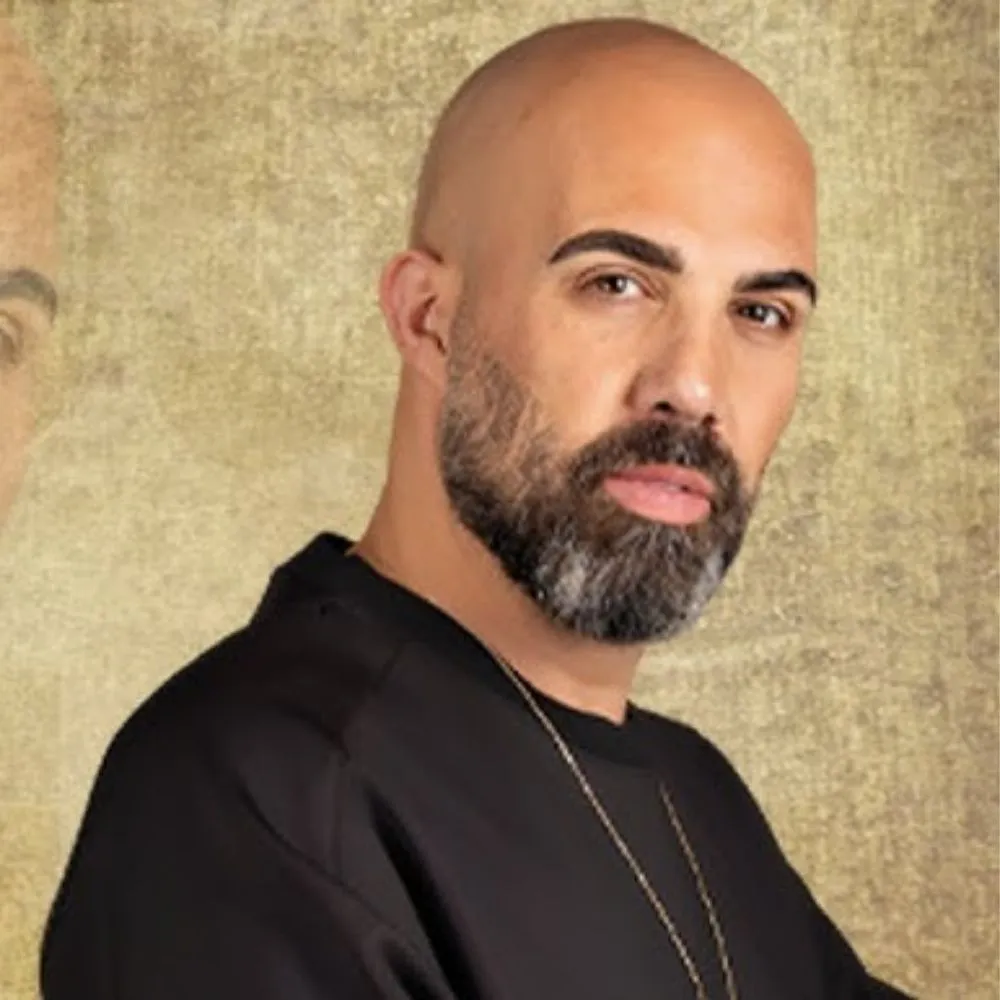
Jhony Osta is a contemporary Lebanese pop singer known for performing at live music venues and events, particularly within the Lebanese diaspora in Canada. His music falls under the Pop genre.He released the single and music video “Bala Matroud” in 2023.You can follow his updates and music on social media platforms like Instagram and Facebook.