Have you ever come across the term ISV acronym and wondered what it really means? You’re not alone.
Many people encounter ISV in conversations, personality discussions, professional contexts, or online searches and feel unsure because the acronym seems to carry multiple meanings depending on context.
That confusion is exactly why people search for it.
In a world where we love short labels to describe complex ideas especially emotions, behavior, and personality acronyms like ISV help us make sense of ourselves and others. Whether you’re exploring personality traits, improving self-awareness, writing a character, or simply curious, understanding ISV can add clarity.
The ISV acronym often connects with ideas like independence, self-direction, values, inner strength, and reflective thinking. These qualities resonate strongly in today’s culture, where quiet confidence and thoughtful behavior are increasingly valued. This article breaks down the ISV acronym in a clear, engaging way, explores its deeper emotional meaning, and offers 30 practical acronym alternatives you can use for personal growth, communication, or creative writing.
ISV Acronym Definition and Explanation
What Does ISV Stand For?
In a personality and emotional context, ISV commonly stands for:
I – Independent
S – Self-aware
V – Values-driven
Together, the ISV acronym describes a person who relies on inner guidance, understands their emotions, and makes decisions based on personal principles rather than external pressure.
Personality and Emotional Meaning of ISV
An ISV personality reflects quiet strength, emotional intelligence, and thoughtful independence. These individuals are not loud or attention-seeking. Instead, they observe, reflect, and act with intention. Their behavior is shaped by core beliefs, not trends or approval.
Key traits associated with ISV include:
- Strong internal compass
- Calm decision-making
- Reflective communication style
- Respect for boundaries
- Authentic emotional expression
Example Sentence
His ISV nature meant he stayed true to his values, even when it was difficult.
30 ISV Acronym Alternatives With Meaning and Usage
Below are 30 carefully crafted 3–4 letter acronym alternatives, each highlighting a unique emotional or personality nuance related to ISV traits.
1. REN – Reserved, Empathic, Nurturing
- Meaning: Quiet yet emotionally supportive.
- When to Use: For gentle, caring personalities.
- Example: Her REN presence made everyone feel safe.
2. CAL – Calm, Aware, Logical
- Meaning: Balanced thinker with emotional control.
- When to Use: For decision-makers under pressure.
- Example: He handled conflict with a CAL mindset.
3. SAV – Self-guided, Authentic, Values-based
- Meaning: Lives by personal truth.
- When to Use: For independent thinkers.
- Example: Her SAV attitude inspired trust.
4. IVS – Introspective, Values-led, Steady
- Meaning: Deep thinker with emotional consistency.
- When to Use: For reflective personalities.
- Example: His IVS nature shaped his leadership.
5. MIN – Mindful, Independent, Nurturing
- Meaning: Thoughtful with quiet care.
- When to Use: For emotionally intelligent people.
- Example: She showed a MIN approach to teamwork.
6. SER – Self-aware, Ethical, Resilient
- Meaning: Strong moral foundation.
- When to Use: For principled individuals.
- Example: His SER mindset guided tough choices.
7. VAL – Values-led, Attentive, Loyal
- Meaning: Deep commitment to people and principles.
- When to Use: For trustworthy personalities.
- Example: Her VAL traits earned respect.
8. INS – Independent, Nurturing, Steady
- Meaning: Calm support without dependence.
- When to Use: For emotionally grounded people.
- Example: He brings INS energy to relationships.
9. EIV – Emotionally Intelligent, Values-driven
- Meaning: Understands emotions deeply.
- When to Use: For counselors or mentors.
- Example: Her EIV nature helped others heal.
10. ARC – Aware, Reflective, Consistent
- Meaning: Stable emotional rhythm.
- When to Use: For dependable personalities.
- Example: His ARC mindset builds trust.
11. ZEN – Grounded, Empathic, Neutral
- Meaning: Peaceful emotional balance.
- When to Use: For calm influencers.
- Example: She carries a ZEN presence.
12. BIV – Balanced, Independent, Values-based
- Meaning: Stability with autonomy.
- When to Use: For mature personalities.
- Example: His BIV approach avoided conflict.
13. SIL – Steady, Introspective, Loyal
- Meaning: Quiet devotion.
- When to Use: For long-term relationships.
- Example: Her SIL traits showed commitment.
14. MAV – Mindful, Authentic, Values-led
- Meaning: Honest emotional expression.
- When to Use: For personal growth contexts.
- Example: He speaks from a MAV mindset.
15. REF – Reflective, Empathic, Firm
- Meaning: Soft tone with strong boundaries.
- When to Use: For leaders with empathy.
- Example: Her REF style resolved tension.
16. IVA – Independent, Values-aware
- Meaning: Clear inner direction.
- When to Use: For self-directed people.
- Example: His IVA outlook shaped success.
17. NIV – Nurturing, Intuitive, Values-led
- Meaning: Emotional warmth with insight.
- When to Use: For caregivers.
- Example: She has a NIV heart.
18. CIV – Calm, Independent, Values-based
- Meaning: Emotional steadiness.
- When to Use: For crisis situations.
- Example: His CIV response prevented chaos.
19. AIM – Aware, Intentional, Mindful
- Meaning: Purposeful emotional choices.
- When to Use: For conscious communicators.
- Example: She acts with AIM clarity.
20. ETH – Ethical, Thoughtful, Honest
- Meaning: Integrity-focused behavior.
- When to Use: For moral leadership.
- Example: His ETH stance earned respect.
21. SOL – Self-led, Observant, Loyal
- Meaning: Quiet reliability.
- When to Use: For dependable friends.
- Example: Her SOL traits show depth.
22. VIM – Values-first, Introspective, Mature
- Meaning: Grows through reflection.
- When to Use: For emotional maturity.
- Example: He demonstrates VIM strength.
23. PAC – Patient, Aware, Centered
- Meaning: Emotional balance under stress.
- When to Use: For mediators.
- Example: She kept a PAC tone.
24. SEN – Self-aware, Empathic, Neutral
- Meaning: Objective emotional view.
- When to Use: For advisors.
- Example: His SEN input helped clarity.
25. TRU – Thoughtful, Resilient, Upright
- Meaning: Emotional honesty.
- When to Use: For trusted partners.
- Example: She stayed TRU to herself.
26. HIV – Honest, Independent, Values-led
- Meaning: Direct yet principled.
- When to Use: For authentic voices.
- Example: His HIV style avoids pretence.
27. QUI – Quiet, Understanding, Intentional
- Meaning: Soft-spoken clarity.
- When to Use: For introverted personalities.
- Example: She brings QUI energy.
28. BAL – Balanced, Aware, Loyal
- Meaning: Emotional harmony.
- When to Use: For stable relationships.
- Example: His BAL nature feels safe.
29. FIV – Firm, Introspective, Values-based
- Meaning: Inner strength without aggression.
- When to Use: For principled stances.
- Example: She stood firm with FIV resolve.
30. CORE – Centered, Observant, Resilient, Ethical
- Meaning: Strong inner foundation.
- When to Use: For character building.
- Example: His CORE traits define him.
How to Choose the Right ISV Acronym
Choosing the right ISV acronym or alternative depends on context. Ask yourself:
- Does this describe emotional tone or behavioral style?
- Is the focus on quiet strength, independence, or nurturing personality?
- Will it be used for self-description, relationships, writing, or communication?
Look for words that align with emotional intelligence, authenticity, and values. The best acronym feels natural, accurate, and respectful of personality depth.
Conclusion:
The ISV acronym goes beyond letters it captures a way of being. Naming emotional nuance helps us understand ourselves, communicate better, and appreciate quiet, reflective personalities.
In relationships, writing, leadership, or self-growth, acronyms like ISV create clarity without oversimplifying human depth.
By using the right acronym, you honor traits like inner strength, self-awareness, and values-driven behavior.
Whether you choose ISV or one of its alternatives, these labels serve as tools for reflection, empathy, and meaningful connection. In a loud world, recognizing calm, intentional personalities matters more than ever.
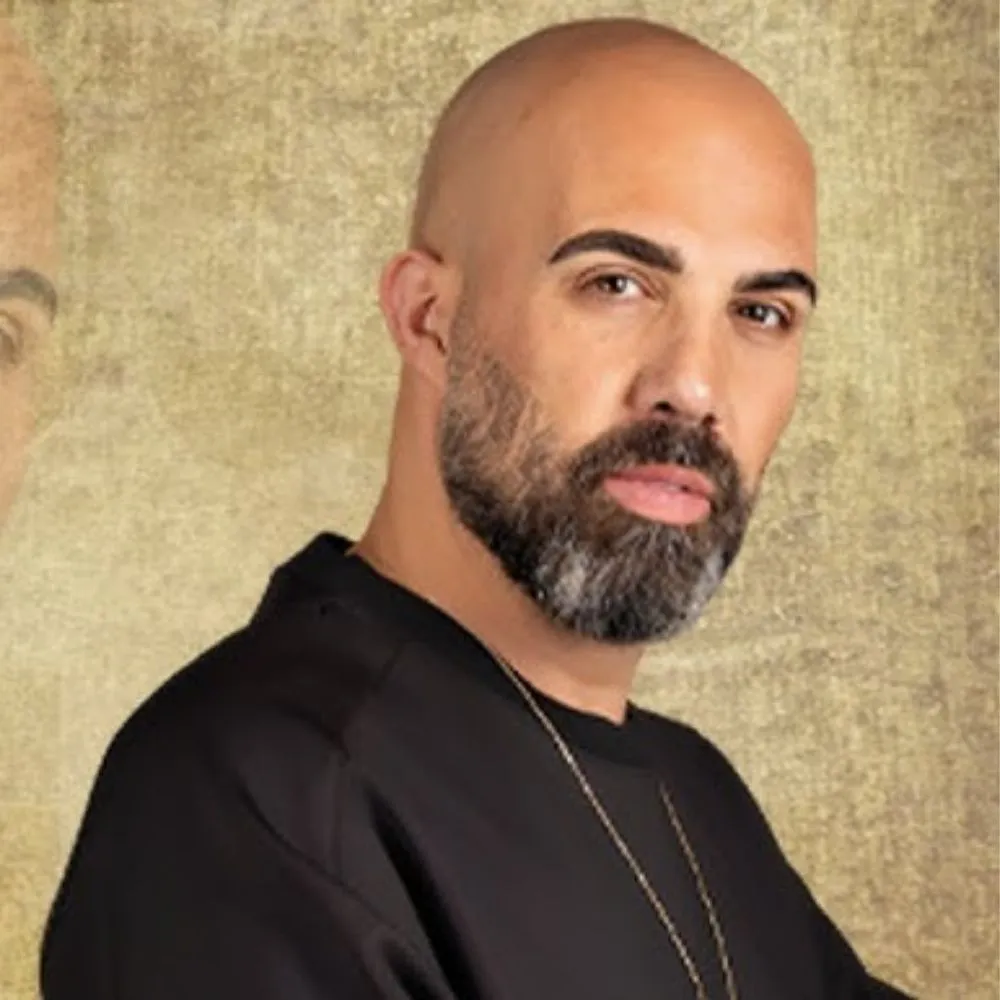
Jhony Osta is a contemporary Lebanese pop singer known for performing at live music venues and events, particularly within the Lebanese diaspora in Canada. His music falls under the Pop genre.He released the single and music video “Bala Matroud” in 2023.You can follow his updates and music on social media platforms like Instagram and Facebook.