Imagine a parent sitting in a school meeting, hearing professionals use the term IEP again and again.
Or picture a student searching online late at night, wondering what this acronym really means and why it matters so much.
This is exactly why people search for the IEP acronym—to remove confusion and gain clarity.
At its core, the IEP acronym is deeply connected to education, learning support, emotional needs, and personal growth. It appears in schools, assessments, and conversations about development, yet many people still feel unsure about its full meaning.
Beyond its formal definition, IEP also reflects values like empathy, inclusion, structured planning, and emotional intelligence.
In this article, we will clearly explain what the IEP acronym stands for, how it is used, and why it holds long-term importance.
We will also explore creative acronym alternatives that highlight nurturing personalities, quiet strength, and supportive behavior. Whether you are a parent, student, educator, or writer, this guide will help you understand and apply the IEP concept with confidence.
What Does the IEP Acronym Mean? (Definition & Explanation)
IEP = Individualized Education Program
An Individualized Education Program (IEP) is a personalized learning plan designed for students who need additional educational support. Each letter carries clear meaning:
- I – Individualized: Tailored to one student’s unique strengths and challenges
- E – Education: Focused on academic, social, and emotional learning
- P – Program: A structured plan with goals, services, and progress tracking
What It Represents
The IEP acronym represents care, planning, emotional awareness, and inclusive growth. It is not just paperwork; it is a reflection of a student’s learning style, emotional needs, and future potential.
Contextual Example
In conversation, you might hear:
“His IEP helps him stay confident while learning at his own pace.”
LSI keywords naturally connected to IEP include special education, learning support, emotional development, student growth, and personalized learning plans.
30 Meaningful IEP-Style Acronym Alternatives
Below are 3–4 letter acronym alternatives inspired by personality traits, emotional intelligence, and nurturing behavior.
1. REN – Reserved, Empathic, Nurturing
- Meaning: Calm personality with deep emotional care
- When to Use: For gentle, supportive individuals
- Example: Her REN nature made everyone feel safe
2. CAL – Caring, Adaptive, Loyal
- Meaning: Emotionally flexible and dependable
- When to Use: Strong relationship builders
- Example: His CAL approach strengthened teamwork
3. WISE – Warm, Insightful, Supportive, Empathic
- Meaning: Emotional intelligence in action
- When to Use: Mentors or guides
- Example: She led with a WISE mindset
4. KIND – Knowledgeable, Intuitive, Nurturing, Dedicated
- Meaning: Balanced heart and mind
- When to Use: Educators or caregivers
- Example: A KIND teacher inspires growth
5. SOUL – Sensitive, Open, Understanding, Loyal
- Meaning: Deep emotional awareness
- When to Use: Close relationships
- Example: His SOUL energy felt comforting
6. GROW – Gentle, Resilient, Open-minded, Wise
- Meaning: Quiet personal development
- When to Use: Personal journeys
- Example: She chose a GROW mindset
7. HEAL – Honest, Empathic, Adaptive, Loving
- Meaning: Emotionally restorative
- When to Use: Support roles
- Example: Her words had a HEAL effect
8. CARE – Compassionate, Aware, Responsive, Empathic
- Meaning: Emotional attentiveness
- When to Use: Family settings
- Example: His CARE approach mattered
9. MIND – Mindful, Intuitive, Nurturing, Driven
- Meaning: Thoughtful strength
- When to Use: Leadership roles
- Example: She led with a MIND focus
10. SAFE – Supportive, Attentive, Fair, Empathic
- Meaning: Emotional security
- When to Use: Trust-based roles
- Example: He created a SAFE space
11. CALM – Caring, Aware, Listening, Mindful
- Meaning: Emotional stability
- When to Use: Stressful environments
- Example: Her CALM presence helped
12. TRUE – Thoughtful, Reliable, Understanding, Empathic
- Meaning: Honest emotional depth
- When to Use: Close bonds
- Example: A TRUE friend stays steady
13. SOFT – Supportive, Open-hearted, Fair, Thoughtful
- Meaning: Gentle strength
- When to Use: Sensitive communication
- Example: His SOFT tone mattered
14. BRIDGE – Balanced, Respectful, Insightful, Deep, Gentle, Empathic
- Meaning: Emotional connector
- When to Use: Conflict resolution
- Example: She acted as a BRIDGE
15. GUIDE – Gentle, Understanding, Insightful, Dedicated, Empathic
- Meaning: Emotional leadership
- When to Use: Mentorship
- Example: He became a GUIDE
16. HEART – Honest, Empathic, Aware, Respectful, Thoughtful
- Meaning: Emotional authenticity
- When to Use: Relationship writing
- Example: She spoke from HEART
17. ROOT – Reliable, Open, Understanding, Thoughtful
- Meaning: Emotional grounding
- When to Use: Family roles
- Example: He is our ROOT
18. NEST – Nurturing, Empathic, Supportive, Trustworthy
- Meaning: Safe emotional base
- When to Use: Caregiving
- Example: Her home felt like NEST
19. BALM – Balanced, Attentive, Loving, Mindful
- Meaning: Emotional relief
- When to Use: Healing spaces
- Example: His words were BALM
20. FLOW – Flexible, Loving, Open, Wise
- Meaning: Emotional adaptability
- When to Use: Creative lives
- Example: She chose FLOW
21. ANCHOR – Aware, Nurturing, Calm, Honest, Open, Reliable
- Meaning: Emotional stability
- When to Use: Support systems
- Example: He stayed an ANCHOR
22. EASE – Empathic, Attentive, Supportive, Encouraging
- Meaning: Comfort-driven personality
- When to Use: Emotional care
- Example: She brought EASE
23. PATH – Patient, Aware, Thoughtful, Helpful
- Meaning: Guided growth
- When to Use: Personal coaching
- Example: He showed the PATH
24. SOAR – Supportive, Open, Adaptive, Respectful
- Meaning: Emotional encouragement
- When to Use: Motivation
- Example: She helped others SOAR
25. TIDE – Thoughtful, Intuitive, Deep, Empathic
- Meaning: Quiet emotional power
- When to Use: Reflective writing
- Example: His emotions moved like TIDE
26. LIFT – Loving, Insightful, Fair, Trusting
- Meaning: Emotional uplift
- When to Use: Team roles
- Example: She helped LIFT morale
27. SEED – Supportive, Encouraging, Empathic, Devoted
- Meaning: Growth mindset
- When to Use: Teaching roles
- Example: He planted a SEED
28. HUSH – Honest, Understanding, Sensitive, Healing
- Meaning: Calm emotional presence
- When to Use: Grief support
- Example: Her voice felt HUSH
29. CARE+ – Compassion, Awareness, Respect, Empathy
- Meaning: Enhanced emotional intelligence
- When to Use: Professional profiles
- Example: His work reflected CARE+
30. NOVA – Nurturing, Open, Valued, Aware
- Meaning: Emotional renewal
- When to Use: Personal branding
- Example: She embraced NOVA energy
How to Choose the Right Acronym for Your Needs
Choosing the right acronym depends on emotional tone, communication style, and personal intention. Ask yourself whether you want to express quiet strength, nurturing personality, or emotional intelligence. For education-focused contexts, traditional terms like IEP work best. For writing, self-awareness, or relationships, personality-based acronyms can capture emotional nuance clearly.
Conclusion:
The IEP acronym is more than a definition—it represents care, planning, empathy, and growth.
Understanding it helps people communicate learning needs, emotional support, and personal development with confidence.
Naming emotional nuance through acronyms builds self-awareness, strengthens relationships, and enhances storytelling.
Match the acronym to the situation, audience, and purpose. The right choice creates clarity and deeper connection.
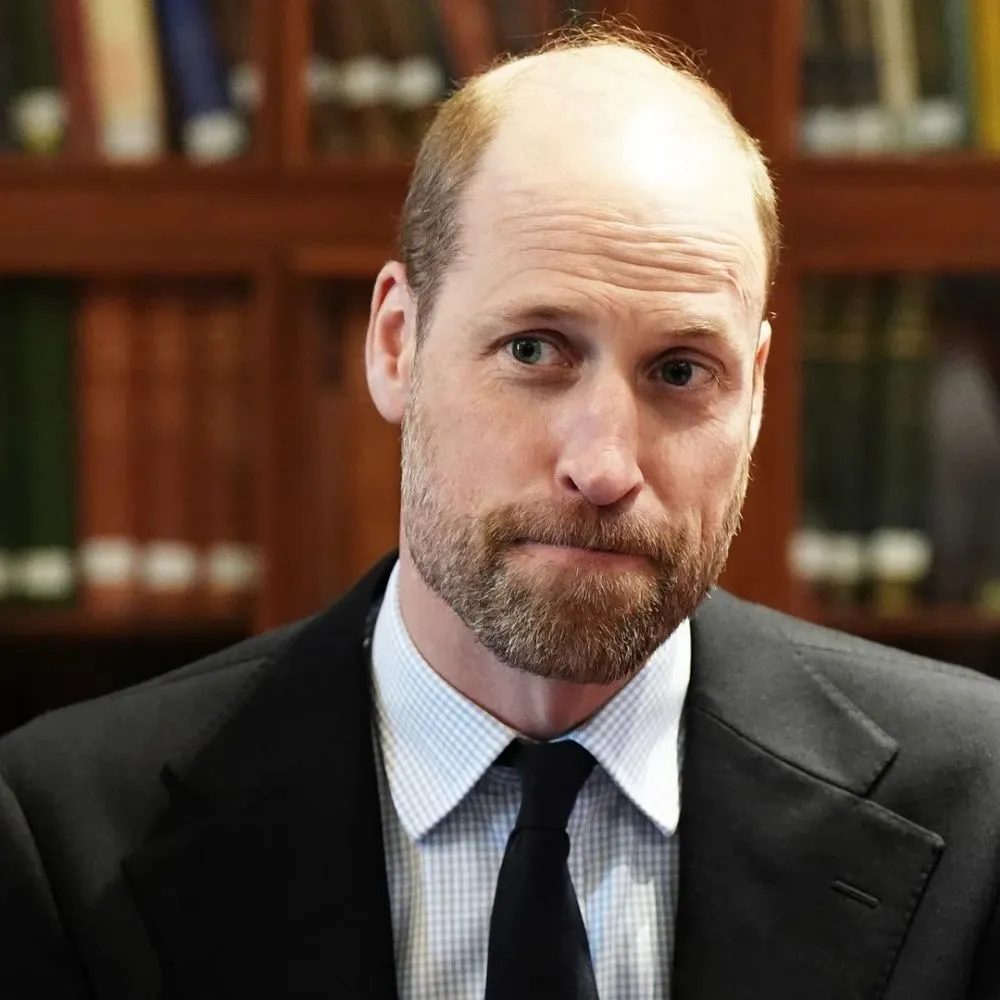
William is a timeless and widely respected name often associated with leadership, intelligence, and integrity. Individuals named William are commonly known for their strong sense of responsibility, practical mindset, and ability to adapt across personal and professional environments. With roots in history and culture, the name William has been carried by kings, innovators, writers, and modern professionals alike, symbolizing reliability and influence.